Trezor Safe 5 Hardware Implant Confirmed in Three CryptoBilis Wallets
Trezor confirmed spy implants in three Safe 5 wallets bought from Southeast Asian reseller CryptoBilis between 20 August and 23 September 2026. The board copies recovery words off the screen and sends them over a cellular link; firmware 2.13.1 blocks the current implants.
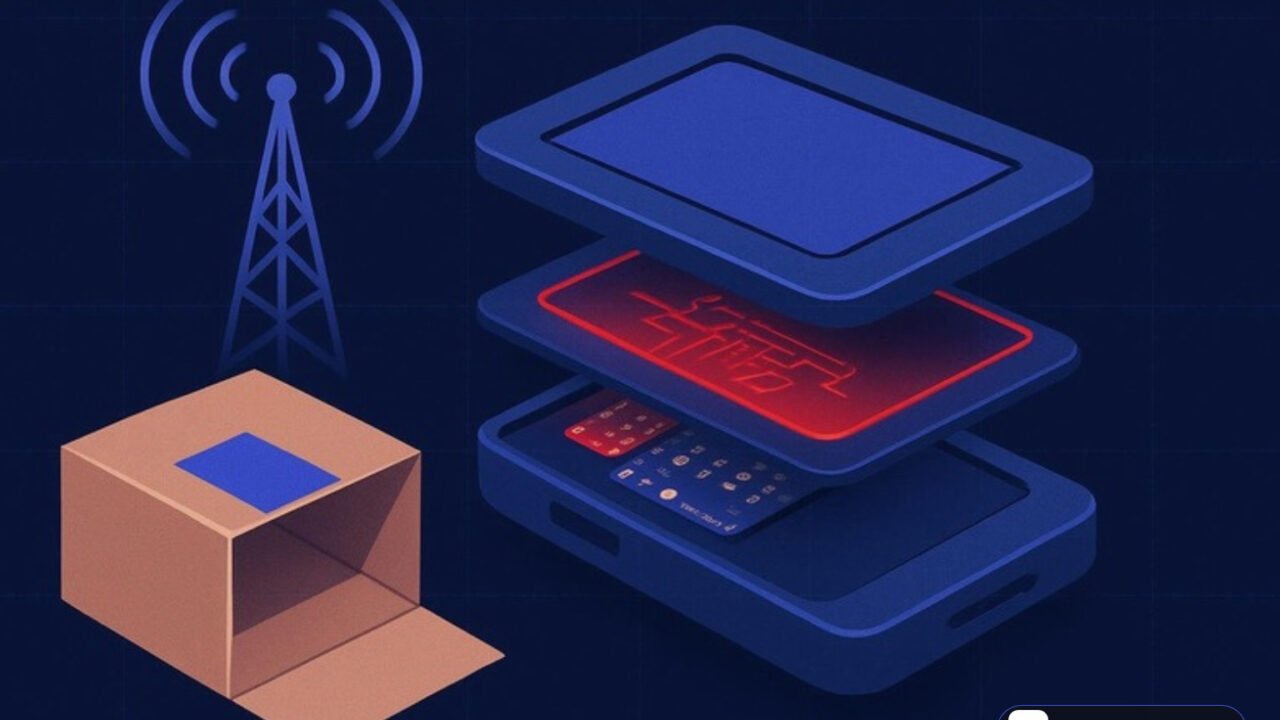
Threat card
- Threat type
- Supply Chain
- Disclosed
- Oct 30, 2026
- Affected
- Trezor Safe 5 devices bought from CryptoBilis (Tokopedia, Shopee and direct) between 20 August and 23 September 2026; guidance covers all Trezor models bought from CryptoBilis since March 2026
The short version
- Trezor has confirmed a hardware implant in three Trezor Safe 5 wallets sold by former Southeast Asian reseller CryptoBilis.
- The extra board sits between the main board and the screen, copies recovery words and passphrases shown or typed, and sends them encrypted over a mobile network.
- Firmware 2.13.1, released on 11 November 2026, stops the implants found so far from capturing anything, but cannot protect a seed captured earlier.
- Trezor says the implant works like those found in Ledger devices from the same reseller, and no Trezor customer has reported lost funds.
Trezor has confirmed a Trezor Safe 5 hardware implant in three devices sold by CryptoBilis, a former official reseller in Southeast Asia. The implant is an extra circuit board that copies recovery words off the screen and sends them to an attacker server over a mobile network. All three wallets were bought between 20 August and 23 September 2026. Trezor released firmware 2.13.1 on 11 November to neutralise the current implants, and anyone who bought from CryptoBilis since March 2026 should move funds to a new seed now.
What happened
In a 12 November investigation update, Trezor said three Trezor Safe 5 wallets bought from CryptoBilis contain a listen-only implant that captures wallet backups and passphrases. Firmware 2.13.1 stops these implants from capturing anything, and Trezor has cut its reseller network by about 80 percent.
The case is a hardware supply chain attack: the devices were tampered with after manufacture and before they reached buyers. CryptoBilis also sold Ledger wallets, and Ledger began investigating fund losses among its CryptoBilis customers on 9 October 2026 before confirming physical tampering. Trezor removed CryptoBilis as a reseller the same day as a precaution. On 28 October an Indonesian customer reported an implant in a Safe 5 bought through Tokopedia, and Trezor published its first warning to CryptoBilis buyers on 30 October.
Trezor says 48 CryptoBilis buyers have contacted it so far. It examined the first device in its lab and identified the other two from photos sent by owners. Every other device checked, including devices from other resellers in the region, showed no sign of tampering. No owner of an affected Trezor has reported a loss of funds.
Timeline
| Date | Event |
|---|---|
| March 2026 | Start of the purchase window Trezor’s guidance covers for CryptoBilis buyers |
| 20 August to 23 September 2026 | The three implanted Trezor Safe 5 devices are bought via Tokopedia, Shopee and CryptoBilis directly |
| 9 October 2026 | Ledger begins investigating losses among CryptoBilis buyers; Trezor stops sales through CryptoBilis |
| 28 October 2026 | Indonesian customer reports an implant in a Safe 5 through Trezor’s responsible disclosure programme |
| 30 October 2026 | Trezor publishes its first warning; BleepingComputer reports Singapore police adding about $3.5 million to Ledger-related losses |
| 11 November 2026 | Trezor releases firmware 2.13.1 with a protection against the implants |
| 12 November 2026 | Trezor confirms three implanted devices and an 80 percent cut to its reseller network |
How the attack works
Trezor’s embedded team extracted and analysed the firmware from the implant in the first reported device. The design avoids the device’s own security model entirely: it never touches the firmware or the Secure Element, so integrity checks on those components would not flag it.
Initial access: tampering in the reseller channel
The implant was fitted inside new devices before sale. Trezor has tied all confirmed cases to stock from CryptoBilis, sold through its Tokopedia and Shopee stores and directly. It has not said where in the reseller’s handling the devices were opened, and it has not named the attacker.
Collection: reading the screen
The implant is an extra circuit board placed between the Safe 5’s main board and its display. It only listens. It copies everything drawn on the screen, including input typed on the device. When recovery words appear, it recognises and stores them. That covers words shown when a new wallet backup is created and words typed when an existing wallet is recovered onto the device. It does the same for a passphrase if one appears on screen.
Exfiltration: a private cellular channel
The captured data is encrypted and sent over a mobile network to an attacker-controlled server using the board’s own cellular module and antenna. If no connection is available, the implant keeps the data and retries until it succeeds. Because the link never touches the victim’s computer or Wi-Fi, host and network monitoring would not see it. According to BleepingComputer’s earlier report, the first buyer said the board transmitted whenever the wallet was plugged in.
MITRE ATT&CK mapping
| Tactic | Technique (ID) | How it was used here |
|---|---|---|
| Initial Access | Supply Chain Compromise: Compromise Hardware Supply Chain (T1195.003) | Implant fitted into new Safe 5 devices sold by CryptoBilis |
| Initial Access | Hardware Additions (T1200) | Extra circuit board with cellular module added between board and display |
| Collection | Input Capture (T1056) | Records recovery words and passphrases typed on the device |
| Collection | Archive Collected Data (T1560) | Encrypts captured secrets before sending |
| Exfiltration | Exfiltration Over Other Network Medium (T1011) | Sends data over a mobile network, bypassing the host and local network |
Who is behind it
Not yet attributed. Trezor says it does not know who is behind the implants and will not compare its findings with Ledger’s beyond stating that the Trezor implant works the same way, adapted to the Safe 5 display. Trezor is working with SEAL 911, the Security Alliance’s emergency response service, and with Ledger and other parties investigating the reseller. No command server details have been published.
Affected products and versions
| Product | Affected | Fixed | Population affected |
|---|---|---|---|
| Trezor Safe 5 | Devices bought from CryptoBilis, 20 August to 23 September 2026 (3 confirmed) | Firmware 2.13.1 blocks current implants; a new seed is still required | Buyers in Southeast Asia, including Indonesia |
| Any Trezor model | Bought from CryptoBilis from March 2026 onwards (precautionary) | Replacement device, voucher or refund from Trezor Support | 48 CryptoBilis buyers have contacted Trezor so far |
| Other Trezor resellers and models | No confirmed cases | Not applicable | Not applicable |
Indicators of compromise
Trezor has not published network or file indicators and says it will not release technical details that could help attackers. The main indicator is provenance: a wallet supplied by CryptoBilis, through Tokopedia, Shopee or directly. The first reporter noticed a weight difference, but Trezor warns that weighing is not a reliable test and that owners should not open devices themselves.
| Type | Indicator | Context |
|---|---|---|
| Supply source | CryptoBilis, including its Tokopedia and Shopee stores | All confirmed implanted devices came from this reseller |
| Purchase window | 20 August to 23 September 2026 | Purchase dates of the three confirmed devices |
| Hardware | Extra board with cellular module and antenna between main board and display | Implant location confirmed by Trezor’s lab |
Detection and hunting
There is no host or network telemetry for this implant, because it uses its own cellular link. Detection therefore rests on asset records and process. Organisations that hold treasury funds on hardware wallets should check purchase records and receipts for the seller name, and confirm each device was bought from trezor.io or a currently authorised reseller.
Exchanges, custodians and incident responders should treat any CryptoBilis-sourced device used to create or restore a seed as having exposed that seed. Watch the related addresses for unexpected outgoing transactions until funds have moved, and treat unsolicited replacement offers as likely phishing: Trezor says scammers are already exploiting the incident with fake emails, physical letters and phone calls. Our coverage of the FaceStealer crypto theft scheme shows how quickly such lures follow major incidents.
Mitigation and response
- If you bought any Trezor from CryptoBilis from March 2026 onwards and use it, create a new wallet with a new seed on a trusted device and move all funds. Restoring the old backup on another device does not help.
- If the device is not set up yet, do not set it up and never type an existing recovery phrase on it.
- Update every Trezor Safe 5 to firmware 2.13.1 or later.
- Keep the suspect device and contact Trezor Support for a replacement, voucher or refund.
- Reject replacement or refund offers that arrive by email, post or phone, and never share a recovery phrase.
- Buy future hardware wallets directly from the vendor and record provenance for every device that holds keys.
Analyst take
This is the threat model hardware wallets were built to defeat, attacked from the one side they cannot fully control: the display. By reading the screen instead of the Secure Element, the implant skips every cryptographic protection and still takes the only secret that matters. The cellular backhaul is the clever part, since it removes any need for the victim’s computer and leaves defenders with nothing to log.
Trezor’s firmware protection and its sharp cut to resellers are the right moves, but they do not undo exposure for anyone who created a seed on a tampered unit. Buyers in regions served mainly by resellers should worry most. The lesson matches other supply chain attacks on crypto users: provenance is a security control, and a device bought through a marketplace listing deserves the same suspicion as an unsigned package.
What to do now
0 of 6 done
Questions readers ask
Is my Trezor affected by the CryptoBilis implant?
Trezor has found implants only in Trezor Safe 5 devices bought from CryptoBilis between August and September 2026, but advises all CryptoBilis buyers since March 2026 to act.
Does the Trezor 2.13.1 firmware fix the implant?
It stops the implants found so far from capturing anything on devices that run it, but a seed captured before the update is still exposed, so a new seed is required.
Can I check my Trezor for an implant by weighing it?
No. Trezor says weighing is not a reliable test and there is no dependable way to inspect a device yourself.
Sources
One short email when something serious breaks.
Threatspedia covers major cyber threats only, verified against primary sources. Read our editorial policy, or report a correction.