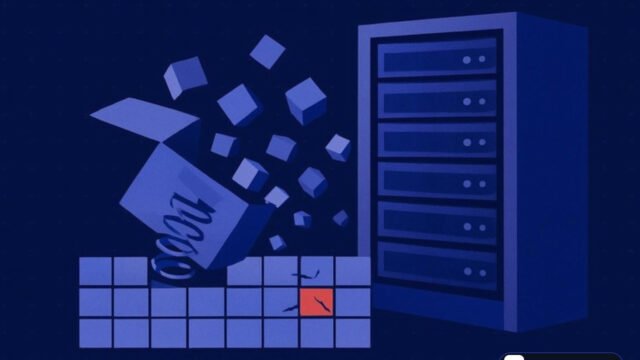
Chrome Zero-Day CVE-2026-125350: XML Use-After-Free Exploited in Wild
Google says an exploit for CVE-2026-125350, a high-severity use-after-free in Chrome's XML component, exists in the wild. Chrome 157.0.8103.50/.51 fixes it along with eight other flaws; it is the eighth exploited Chrome zero-day of 2026.
Threat card
- Status
- Actively exploited
- Threat type
- Zero-Days
- Disclosed
- Nov 9, 2026
- Affected
- Google Chrome desktop before 157.0.8103.50 (Linux) and 157.0.8103.50/.51 (Windows, Mac)
The short version
- Google says an exploit for CVE-2026-125350, a use-after-free in Chrome's XML component, exists in the wild.
- Chrome 157.0.8103.50/.51 for Windows and Mac and 157.0.8103.50 for Linux fix it, released on 9 November 2026.
- Google has shared no details on the attacks, the attacker or indicators, and the flaw was not yet on CISA KEV at disclosure.
- SecurityWeek counts it as the eighth exploited Chrome zero-day of 2026.
Google has patched CVE-2026-125350, a high-severity use-after-free in the XML component of Chrome, and says an exploit for it already exists in the wild. The Chrome zero-day is fixed in Chrome 157.0.8103.50/.51 for Windows and Mac and 157.0.8103.50 for Linux, released on 9 November 2026. Google has not described the attacks, the targets or the actor. Every organisation running Chrome on desktops should push the update and force a relaunch today, because a browser memory bug with a working exploit is a ready-made path to code execution.
What happened
On 9 November 2026 Google shipped a Chrome Stable update with nine security fixes, including CVE-2026-125350, a use-after-free in XML handling rated high. Google states it “is aware that an exploit for CVE-2026-125350 exists in the wild.” No CVSS score, technical write-up or indicators have been published.
The Chrome Stable Channel update for desktop credits the XML bug to two reporters: Arni Hardarson of Neonix Security on 12 October 2026, and an anonymous researcher on 6 November 2026. The second report came only three days before the fix shipped, which fits the pattern of an emergency patch for an exploit seen in use. According to SecurityWeek’s coverage of the Chrome XML zero-day, this is the eighth exploited Chrome zero-day patched in 2026, and CISA had not yet added it to the Known Exploited Vulnerabilities catalog at the time of reporting.
Timeline
| Date | Event |
|---|---|
| 12 Oct 2026 | Arni Hardarson (Neonix Security) reports the XML use-after-free to Google. |
| 6 Nov 2026 | An anonymous researcher reports the same issue. |
| 9 Nov 2026 | Google releases Chrome 157.0.8103.50/.51 and confirms an exploit exists in the wild. |
| 10 Nov 2026 | SecurityWeek reports it as the eighth exploited Chrome zero-day of 2026; not yet in CISA KEV. |
How the attack works
Google has not released the bug details, which is normal while most users are still unpatched. What is public is the component and the bug class, and that is enough for defenders to judge the risk.
Root cause: use-after-free in XML handling
A use-after-free (CWE-416 class) happens when code keeps using a pointer to memory that has already been released. If an attacker can control what gets allocated into that freed slot, the stale pointer reads or writes attacker-shaped data. In browser exploitation this is a common route to corrupting objects and gaining code execution inside the renderer process.
The flaw sits in Chrome’s XML component, which processes XML content that a web page can supply. That makes it reachable from remote content: a user only has to load a page or resource that triggers the bug. Google lists no user interaction beyond that, but has not stated the exact trigger.
What a full attack chain usually needs
Chrome runs page content in a sandboxed renderer. A renderer bug on its own typically gives code execution inside that sandbox, and full compromise of the host often needs a second sandbox escape bug. Google has not said whether CVE-2026-125350 was used alone or in a chain, so assume the worst until more detail appears.
Other fixes in the same release
The update also fixes six further high-severity bugs, mostly found internally by Google: an uninitialised resource in WebGL (CVE-2026-125345), incorrect authorization in FileSystem (CVE-2026-125347), a buffer overflow in Compositing (CVE-2026-125343), an out-of-bounds write in GPU (CVE-2026-125348) and a type confusion in V8 (CVE-2026-125344). Two medium-severity uninitialised resource bugs in GPU (CVE-2026-125349 and CVE-2026-125342) are fixed too. None of these is listed as exploited.
MITRE ATT&CK mapping
| Tactic | Technique (ID) | How it was used here |
|---|---|---|
| Execution | Exploitation for Client Execution (T1203) | Google confirms an in-the-wild exploit for a memory corruption bug in a client application (Chrome XML component). |
| Initial Access | Drive-by Compromise (T1189) | Not confirmed. This is the usual delivery for remotely reachable browser bugs, but Google has not described how the exploit was delivered. |
Who is behind it
Not yet attributed. Google has not named an actor, campaign or victim group, and no infrastructure has been published. Exploited Chrome zero-days have historically been used by commercial spyware vendors and state-backed groups, as seen in our brief on the APT29 watering hole campaign using mobile exploit chains, but there is no public evidence linking this bug to any specific actor.
Affected products and versions
| Product | Affected | Fixed | CVE | CVSS |
|---|---|---|---|---|
| Google Chrome (Windows, Mac) | Before 157.0.8103.50/.51 | 157.0.8103.50/.51 | CVE-2026-125350 | High (no score published) |
| Google Chrome (Linux) | Before 157.0.8103.50 | 157.0.8103.50 | CVE-2026-125350 | High (no score published) |
Google rolls the update out over days and weeks, so devices left to auto-update may stay exposed for longer than a forced push allows. Browsers built on Chromium share most of Chrome’s code and should be checked as their vendors release builds based on the patched version.
Indicators of compromise
No IOCs have been published. Google typically restricts bug details until most users are updated, and no exploit samples, domains or hashes are public. Expect any indicators to come from Google’s Threat Analysis Group or a research partner later. Until then, hunt on behaviour:
| Type | Indicator | Context |
|---|---|---|
| Behaviour | Chrome renderer crashes involving XML processing | Failed or unstable exploit attempts |
| Behaviour | chrome.exe spawning shells, script hosts or LOLBins |
Possible post-exploitation after a sandbox escape |
| Behaviour | New executables written by the browser outside the downloads folder | Possible payload staging |
Detection and hunting
- Version inventory: query EDR or management tools for Chrome builds below 157.0.8103.50 and for devices with a pending relaunch.
- Process trees: alert on Chrome browser or renderer processes spawning
cmd.exe,powershell.exe,wscript.exe,rundll32.exeor/bin/sh, which is abnormal for a browser. - Crash telemetry: review Chrome crash reports and Windows Error Reporting events for renderer crashes since October 2026, especially clusters on high-value users.
- Proxy and DNS logs: look for users who hit newly registered or rare domains just before a browser crash or suspicious child process.
- File writes: flag executables or scripts created by the browser process in temp or profile folders.
Mitigation and response
- Patch: push Chrome 157.0.8103.50/.51 (Windows, Mac) or 157.0.8103.50 (Linux) to every managed endpoint.
- Force a relaunch: set a relaunch deadline through browser policy, since the fix does not apply until Chrome restarts.
- Cover Chromium-based browsers: update Edge, Brave, Opera and others as their vendors ship builds with the fix.
- Find stragglers: identify unmanaged, portable or user-installed Chrome copies that bypass central updates.
- Hunt: run the process tree and crash checks above, prioritising executives, admins and developers.
- Monitor: watch CISA KEV and Google’s security blogs for added detail, IOCs or attribution.
Analyst take
Eight exploited Chrome zero-days by November is a steady, unglamorous drumbeat, and that is the point. Browsers remain the widest client-side attack surface in any enterprise, and memory safety bugs in parsing code keep producing working exploits. The fact that Google received a second report of the same bug days before shipping the fix suggests someone saw it used, not just found it in a lab.
The practical risk sits with the patch gap, not the patch. Chrome’s staged rollout and users who never restart their browser leave a window that targeted attackers know how to use. Security teams that already force relaunches will close this in hours; those that rely on auto-update should treat this one, like the Outlook zero-day patched this week, as a reason to tighten client patch deadlines.
What to do now
0 of 6 done
Questions readers ask
Is CVE-2026-125350 being exploited?
Yes. Google says it is aware that an exploit for CVE-2026-125350 exists in the wild, but has not shared attack details.
Which Chrome version fixes CVE-2026-125350?
Chrome 157.0.8103.50 or .51 on Windows and Mac and 157.0.8103.50 on Linux.
How many Chrome zero-days have been exploited in 2026?
SecurityWeek counts CVE-2026-125350 as the eighth exploited Chrome zero-day patched this year.
Sources
- Google Chrome Releases: Stable Channel Update for Desktop (9 Nov 2026)chromereleases.googleblog.com
- SecurityWeek: Chrome Update Patches Exploited XML Zero-Day, Eighth This Yearsecurityweek.com
One short email when something serious breaks.
Threatspedia covers major cyber threats only, verified against primary sources. Read our editorial policy, or report a correction.